
News

Explores the advancements in generative AI since ChatGPT's inception, focusing on Texas A&M University's endorsement of Copilot, the significance of prompt engineering, and strategies for businesses to navigate and capitalize on the evolving landscape of AI innovation.

Discusses the pervasive influence of Artificial Intelligence (AI) in daily life, covering its applications across various domains, such as healthcare, finance, and entertainment, and emphasizes the importance of staying updated with AI advancements to understand its implications and leverage its potential effectively.

This course overview explains that instructor Arianna Lupi teaches key technical SEO strategies to improve a WordPress site's structure, usability, and performance. It covers essentials like mobile-friendliness, speed optimization, media handling, and diagnostic tools such as web crawls and speed tests.

The Division of Student Affairs (DSA) will be transitioning all customers to logging into their DSA managed device with their Auth/NetID accounts. This project also includes additional “User Experience” changes pertaining to the user profile, including desktop background, Windows themes, pinned shortcuts, etc. Additional changes will include moving all user home drive contents to Microsoft OneDrive, and changes to Remote Access.

WordPress expert Joe Dolson’s course teaches you how to build fully accessible websites using modern WordPress features. It covers accessible themes, plugins, content creation, testing, and remediation so you can confidently assess and improve accessibility across your sites.
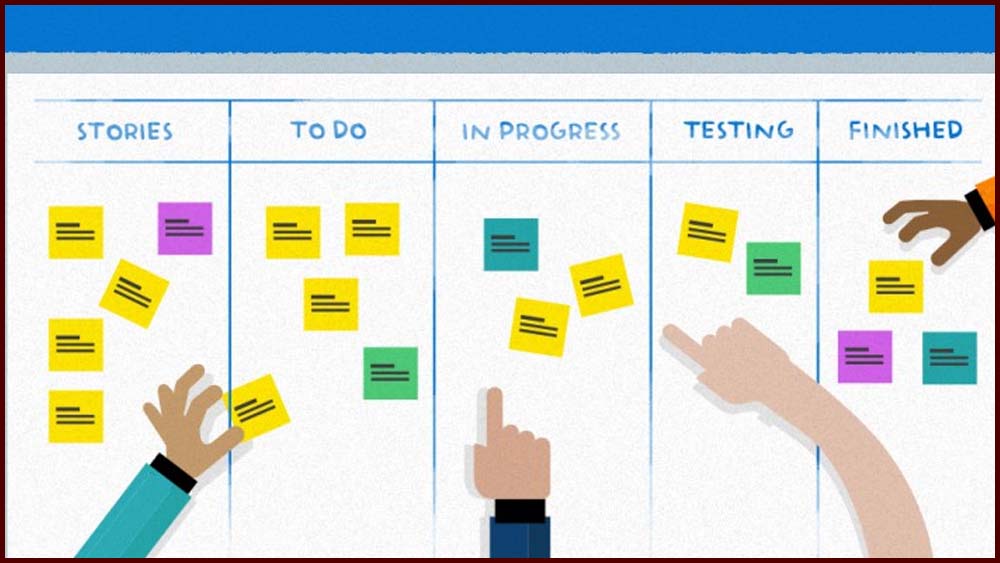
Curious about what “Scrum” really means in a tech setting? Discover how Texas A&M is embracing Agile practices and demystifying buzzwords like “Product Owner” and “Sprint”.

WordPress is a strong choice for bloggers and creators who want to reach a broad audience, and Shruti Pangtey explains how to build engaging, reader-friendly blog content using effective headings, text, and images. She also covers essential SEO practices, key plugins, and the two must-have pages that contribute to a successful blog.

Texas A&M University provides Adobe Acrobat and Creative Cloud licenses for up to two devices per user, available to full-time and part-time employees at the main campus, the Texas Engineering Experiment Station, and the School of Dentistry. Students and student workers are not included in this licensing but can access Adobe Creative Cloud applications using their NetID at campus computer labs.

Ever held the door open for someone you didn’t recognize? This article explores how that simple act of kindness could compromise campus security—and what you can do to prevent it.

The Division of IT at Texas A&M offers a suite of cloud-based services to support the university community’s academic and administrative needs. These services are designed to enhance collaboration, data storage, and application access across departments and devices.